
Table of Contents
Domain authority (DA) is a metric created by Moz that predicts how likely an entire website (domain) is to rank in search engine results, scored from 1 to 100.
Page authority (PA) is a metric, also developed by Moz, that predicts how likely a specific web page is to rank in search engine results, also scored from 1 to 100.
Domain authority vs Page authority get mentioned all the time in SEO circles, but most people struggle to explain how they differ or why they matter in the first place. Google never shares the full details of how it ranks websites, so tools like Moz created their own scoring systems to help us understand ranking potential.
These scores run from 1 to 100 and give a rough idea of how strong a site or a single page might be in search results. Higher scores usually mean better performance, but what counts as good depends entirely on your niche.
If your competitors sit between 30 and 50, that range becomes your target. And regardless of your niche, a score between 40 and 60 typically means you are in a solid position.
The scale gets tougher the higher you climb. Moving from 20 to 30 is relatively easy, but jumping from 70 to 80 requires far more strength and far more links. Each point becomes more difficult to earn as you rise.
These metrics are not perfect, but they are useful for spotting patterns and understanding where your site needs attention and improvement. They also measure different things, and they react to different SEO improvements.
If you want stronger rankings, more traffic, and backlinks that produce real results, you need to understand how each score works and how to grow both.
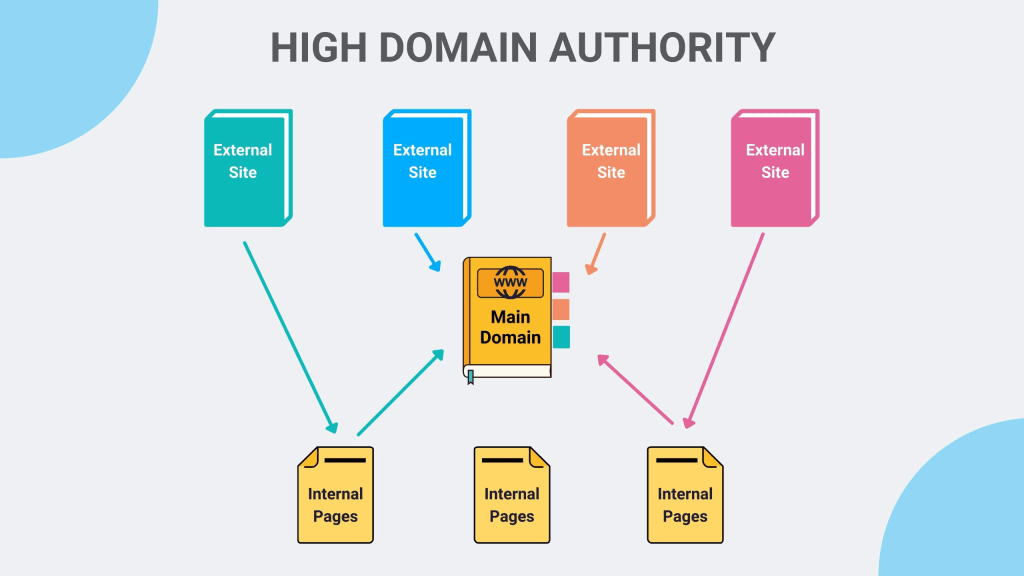
Key differences between Domain authority vs Page authority
1. The speed of change
DA grows slowly because it depends on the strength of your entire site. It needs a steady stream of high-quality backlinks, consistent publishing, and signals that show your domain is reliable over longer periods of time.
You build it by creating content people search for, earning mentions from reputable websites, and keeping your technical SEO in good shape (never forget to optimize for mobile). Fix broken links, clean up old redirects, make sure search engines can crawl your site without friction. These improvements gradually add up and increase your domain’s overall trust and visibility.
PA reacts much faster. A single strong backlink can lift a page in the search results within days, especially if the link comes from a relevant and credible site. This makes PA ideal for quick wins. Focus on pages that sit at the bottom of page one or near the top of page two, since they already have momentum.
Make them stronger with internal links from your highest-authority pages, update the content with fresh examples or data, and improve the structure so the page is easier to scan. Then search targeted backlinks from blogs, and forums that match your niche. These efforts help individual pages climb very quick.
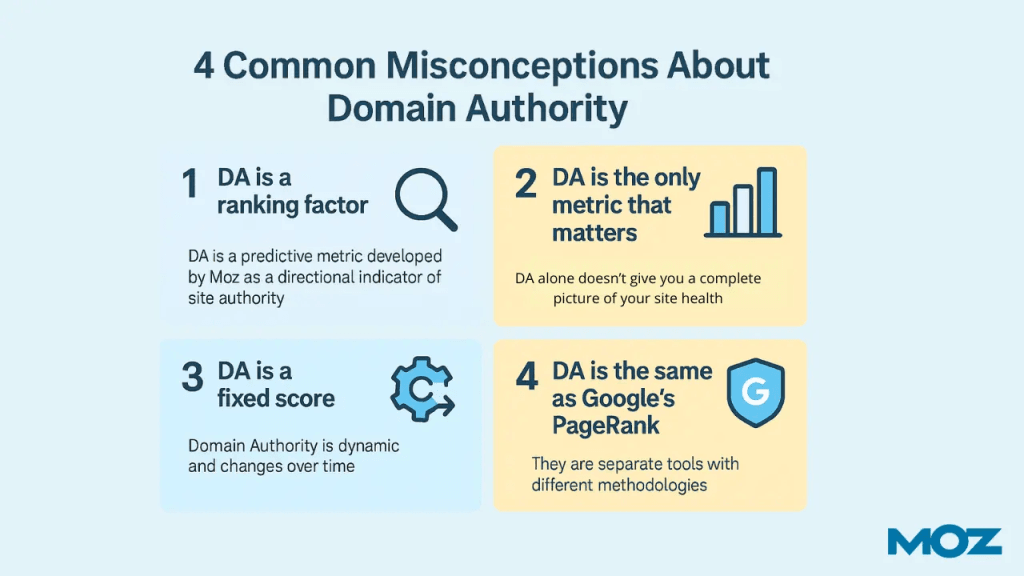
2. Internal links difference
Internal links play a bigger role in PA than DA. They act as channels, moving “link equity” from pages that already have strength to pages that need a lift.
For example, if a blog post attracts lots of backlinks and traffic, it has authority to spare. Linking from that post to other pages signals to search engines that these target pages are important and relevant. This not only helps Google crawl your site more effectively but also distributes authority across your content.
How to optimize internal linking?
- Identify weak pages: check which pages have low page authority or are underperforming in search.
- Link from strong pages: use high-authority blog posts, service pages, or cornerstone content as sources.
- Be specific with anchor text: use descriptive text that clearly explains what the target page is about. Avoid vague phrases like “click here” or “read more.” (Ahrefs)
- Spread link equity naturally: don’t overload one page with too many links; balance it so authority flows throughout your site.
- Consider site structure: group related pages together in logical categories and link between them. This helps search engines understand the hierarchy and relevance of your content.
How do I increase my Domain Authority (DA)?
Improving your domain authority (DA) means building more trust for your entire website. Here are key steps to follow:
1. Earn high-quality backlinks
Backlinks from reputable websites boost your domain authority. Prioritize sites in your niche and avoid links from low-quality or spammy sources.
Audit your current backlink profile regularly and remove or disavow harmful links.
2. Create valuable, link-worthy content
Produce unique, useful content that other sites want to link to. Think in-depth guides, industry insights or research-based articles. Keep your content updated and relevant so visitors stay longer; even this metric helps search engines recognize its value.
3. Improve your site’s technical health
Making your site load fast is a must. Also make sure it works well on mobile and is secure (HTTPS). A website that performs smoothly builds user trust, they visit it more often and that signals quality to search engines. Fix broken links and simplify navigation so crawlers can index your site easily.
4. Promote your brand and content externally
Share your content in social channels, engage with communities and consider digital PR to reach wider audiences. These actions increase visibility and often lead to more backlinks.
5. Be patient and consistent
DA doesn’t improve overnight. It rises with steady effort over time. Focus on continuous improvement rather than quick fixes.
How do I increase my PA?
1. Create excellent content
Your page should offer something unique, useful or in-depth. Pages that stand out naturally attract links and engagement. Make sure the content is up to date, covers the topic thoroughly and is optimized for readability.
2. Earn quality external backlinks to that page
Get links from reputable, relevant websites that point directly to your page. The stronger and more relevant the referring domain, the bigger the impact. Guest posting, broken link building or outreach are good tactics here.
3. Use strategic internal links
Link from other strong pages on your site to the target page. That passes authority within your site and helps search engines see its importance. Make sure the anchor text is descriptive and relevant.
4. Optimize technical and on-page factors
It’s important that the page loads fast, is mobile-friendly, secure (HTTPS) and free of major errors. These signal quality and usability. Also optimize the page’s structure: use clear headings, good meta tags, meaningful URL, alt text for images.
5. Keep the page and its topic fresh
Update the page with new data, trends or added value periodically. Older content can lose relevance if you leave it untouched.
6. Avoid shortcuts and low-value links
Don’t rely on spammy backlinks, link farms or manipulative SEO tactics. They can hurt your page authority more than help.
Key takeaways
You’ve learned how backlinks shape both your domain and individual pages. Now it’s about turning that understanding into concrete action. Here are three key moves:
- Pick one “anchor” page and one “domain-wide” goal this month.
- anchor page: choose a single page you want to rank faster. Give it strong content, build external links to it, and boost internal links from your highest-authority pages.
- domain goal: pick a broader target for your site (for example, increasing unique referring domains by 10 % this quarter) and spread link efforts across blog entries, service pages and FAQ content.
These dual targets keep you working at both page-level and domain-level authority.
- Audit and improve your site structure this week.
Run a quick check:- are your URLs clear and descriptive?
- is your internal linking helping weaker pages?
- are you using descriptive anchor text (not “click here”)?
This lets you move internal equity and help crawlers understand your site, improving both domains and pages.
- Build an outreach loop around content you already have or will create.
- make a list of five pages that could earn external links right now.
- create outreach templates made for each page’s value (why it’s link-worthy).
- set internal links from strong pages to those pages.
- track results, by noting which pages gained links and traffic. Make changes if neccessary and repeat the process.
External links + internal structure = stronger page and domain authority.
By focusing on both the “whole-site” view (domain authority) and the “single-page task” (page authority) you set yourself up for short-term wins and long-term success. Use the checks and outreach strategy above as your next steps and you’ll make slow and steady progress.
FAQ
1. What is Domain Authority (DA)?
Domain Auhtority (DA) is a metric that predicts how well your entire website can rank on search engines. Higher DA means more trust and credibility in Google’s eyes.
2. What is Page Authority (PA)?
Page Authority (PA) measures the ranking potential of a single page. A page with high PA is more likely to appear higher in search results for specific keywords.
3. How long does it take to improve DA and PA?
Improving DA is a long-term process that usually takes months of consistent link building and content creation. PA can improve faster if you focus on a single page with quality backlinks and internal linking.
4. Can I improve PA without affecting DA?
Yes. Page Authority can increase by building links and optimizing a specific page, even if the overall domain authority grows slowly.
5. What are the easiest ways to boost DA and PA?
– Earn high-quality backlinks from reputable sites
– Build internal links to important pages
– Publish authoritative, useful content regularly
– Keep your site technically healthy and easy to crawl.
6. Do social media links help DA or PA?
Social media links can drive traffic but usually don’t directly improve DA or PA. External links from reputable websites are more impactful.