Table of Contents
What is social commerce?
It’s the process of selling products and services on social media platforms.
This practice has been on the rise globally, and it’s only projected to grow. By the end of the year, it’s predicted to reach $80 billion of revenue in the U.S. alone.
This growth is largely driven by platforms like TikTok, Instagram, Facebook, Pinterest and YouTube. Integration of social commerce into your marketing strategy is a must, and in this blog post we will cover:
- the difference between social commerce and e-commerce
- how social commerce works
- why social commerce is important
- the major social commerce platforms
- predictions for 2026 and onwards.
What is the difference between social commerce and e-commerce?
The terms social commerce and e-commerce, while related, mean different things.
E-commerce describes the process of buying and selling goods and services online. This can be done on anything from a company website, online store, or even an app.
Social commerce, on the other hand is strictly the buying and selling of goods and services on social media platforms.
How does social commerce work?
Attention spans of consumers and people browsing social media are becoming shorter and shorter. This means that the traditional strategies of e-commerce and listing products on a retailer’s website by itself simply won’t cut it any more.
People want all the information about the pros of a product in as little time as possible. This is why social media is the perfect place for the placement of your products. Because a lot of purchasing done on social media is driven by impulse buying, and especially if the price is clearly listed. In December 2024, Statista reported the average value of online orders referred through social media was around $85.
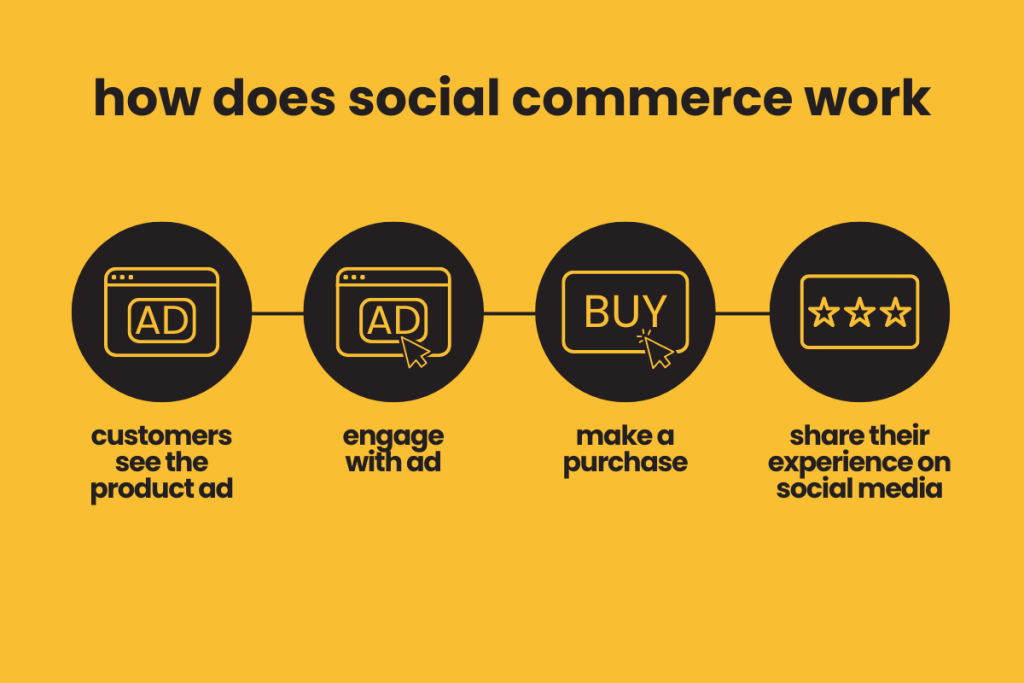
How it all works is pretty simple: a user sees an item they might want to buy, such as a keyboard or a mouse; then they click “shop now” or “buy now” to complete the purchase. And all of the information, like price, description and delivery will be visible within the social platform. This way, there’s no need to even visit the retailer’s website.
A great way to increase impulse purchases within social commerce is by teaming up with influencers and your customers to create user-generated content. This is because social media shoppers rely heavily on social proof in making buying decisions. Users are essentially looking for proof that the products are credible, well-made and recommended by people they respect and admire.
Best social commerce platforms to use in 2026
People are now finding and buying things right from their social media feeds. So, brands need to figure out which apps are the right fit for them.
The best apps for selling are the ones that let you set up a shop, let people buy directly from posts and videos, and make checking out easy. Let’s look at the top apps for this.
Shopify
Shopify is an e-commerce platform designed to be the central command center for selling across social media, directly addressing the trend of social commerce. It allows you to manage a single online store while connecting it to social networks, letting customers browse and purchase items directly within apps like Instagram, Facebook, and TikTok. Shopify syncs your inventory, orders, and customer information across all these channels, making it easier to manage everything from one place.
- This connection is typically set up by installing the sales channel for the desired social platform (like “TikTok Shop” or “Facebook & Instagram”) from the Shopify App Store and following its step-by-step integration guide.
Instagram is great for selling because it’s built for pictures and videos, and has tools for shopping right in the app. Its huge audience and many2 popular creators help people find and buy products directly from their feed or Stories.
This mix of visual posts and easy buying makes shopping simple. It works best for brands you can show off, like:
- fashion and beauty
- home decor
- food and drinks
- travel
- lifestyle
How to set it up:
To start, you connect your Instagram business account to your Facebook business page. This lets you use a product list you already have or make a new one.
Then, you can add Product tags to your posts and videos. These tags let people tap on an item they see to get details and buy it, making your products easy to find and shop.

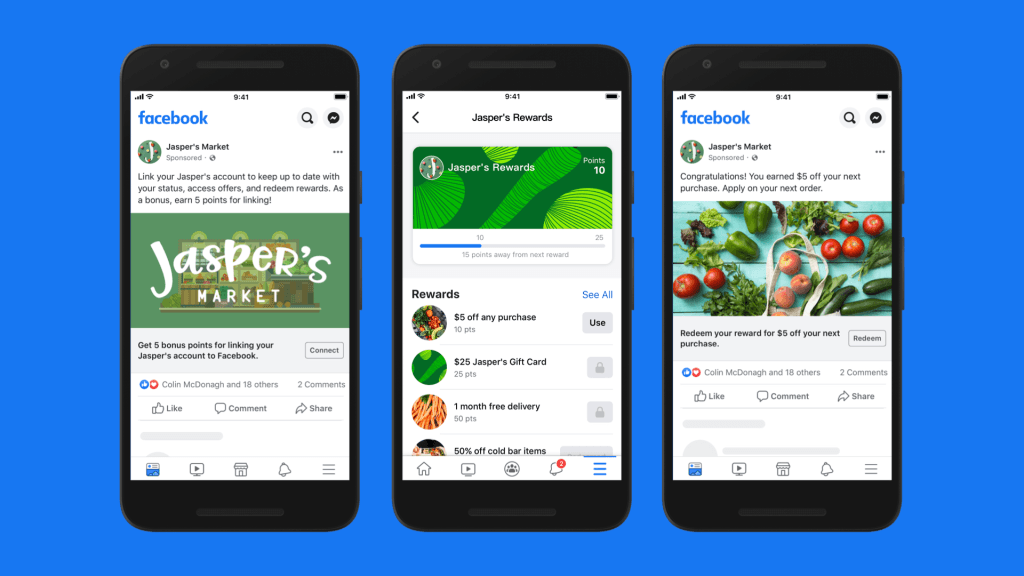
Facebook reaches a massive number of people and has a feature called Facebook shops, which is a built-in store for your business page. It works very well for businesses selling products directly to people, like:
- clothing and accessories
- electronics
- everyday household items
- used cars
Local businesses can also use Facebook marketplace to sell in their area.
How Facebook shop works:
Setting up a Facebook shop is free and simple. If you already sell on a platform like Shopify, you can connect it to sync your products instantly. If not, you can upload your items using a simple list.
The Shop tab on the Facebook app shows users products they might like, helping new customers find you. When someone wants to buy, they can check out right on Facebook or on your website. You can chat with customers using Messenger for questions and support.
Tips for success on facebook:
- use Facebook’s powerful ads to show your products directly to the right people.
- connect your online store (like Shopify) to your Facebook Shop. This keeps your product list and orders in sync.
- use reminder ads to show products again to people who have visited your website.
- use Messenger for helpful customer service, which can make buying easy with Facebook’s checkout system.
TikTok
TikTok’s fun and engaging videos reach a huge audience. For many people, especially younger users, TikTok is now the go-to place to discover and instantly buy new things they see. They often trust creator recommendations.
Products that tend to sell best on TikTok are:
- Trending fashion, beauty, and tech gadgets
- Unique or niche items
- Fun, entertainment-focused brands
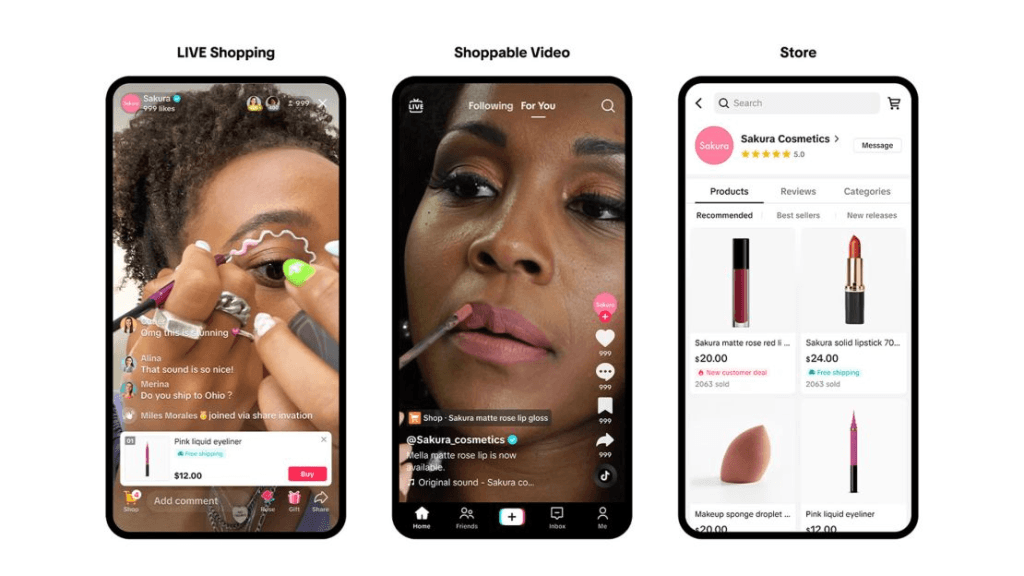
It’s now easy for businesses to sell directly on the app using TikTok shop. This feature lets you:
- Add shoppable links to your videos.
- Sell products during your LIVE video streams.
To boost sales, you can also use product showcases and work with creators through affiliate programs, where they earn a commission for promoting your items.
Why social commerce is important for your business?
Social commerce is an opportunity for your business to use the prevalence of social media usage to its advantage. Globally, approximately 5.66 billion people currently use social media in one form or another. So, social commerce is important for:
- creating an easy and convenient shopping experience
- expanding your audience
- collecting data
- creating a community
Creating an easy and convenient shopping experience
Online shopping already offers a lot of convenience. People can research products, compare options, buy from home and get items delivered to their doorstep. Social commerce takes that convenience further: it turns social media platforms into fully developed stores and it creates a smoother path from discovery to purchase.
- everything happens in one place: you don’t need to redirect the user from a social feed to a separate website. Users can see a product, check some details and then complete the checkout all inside the same platform. This means fewer steps and fewer reasons to drop the product before a purchase.
- conversions rise: according to research, social commerce leads to 30% higher conversion rates than traditional e-commerce sites.
- user behaviour fits: many people already spend a lot of time on social media. Social commerce is just meeting them in their “natural habitat”, rather than forcing them to switch channels.
Expanding your audience with social commerce
Using social commerce expands who you can reach. It opens up opportunities beyond your current customer base.
Social commerce removes geographic limitations. You can present your products or services anywhere in the world, and potentially reach markets and customers you would never get with a local storefront.
Furthermore, social commerce demographics are quite diverse. In 2024, 81% of people aged 25-34, 71% of those aged 35-44, and 54% of 45-54 year-olds made purchases via social media.
Example: Rareseeds is a seed company that added their product catalog to Facebook, Instagram, and TikTok Shop. They combined this with basic dynamic ads and a few creator partnerships. As a result, they saw a clear increase in reach and a major lift in revenue, growing their social-commerce sales by 791%.
Data collection
When you sell through social platforms, you get access to clear data about how people interact with your products. You can see what they view, click, or buy, which makes it easier to group your audience and show the right products to the right people.
You can also ask for feedback through polls, questions, and comments, which helps you understand what customers want or what needs improvement. Over time, this information will help you adjust your products and overall experience in a way that’s based on real behaviour rather than guesswork.
Creating a community
Building a sense of community is one of the more natural strengths of social commerce. People already use social platforms to talk, share, and react to things they care about, so shopping fits into that flow. When customers can comment on your posts, tag friends, react to new products, or message you directly, the whole experience feels more human and less like a one-way transaction.
Small interactions add up. Someone shares your product because they think a friend will like it. Another person asks a question and gets a quick answer. Others see real customers using your products and join the conversation. Over time, these moments create a space where people feel connected to your brand and to each other. That sense of community makes customers more likely to return, give feedback, and stay engaged without needing constant promotion.
Social commerce predictions for 2026 and onwards
Here are 3 elements that will largely effect what is social commerce in the following years.
The role of AI in social commerce
In the coming years, AI will create a dynamic experience for every single shopper based on real-time browsing data and insights.
So instead of offering product recommendations based on broad user segments, e-commerce businesses can personalize each customer’s experience more deeply. Here’s how that will work:
- dynamic product pages: AI updates page content based on each shopper’s profile and on-page behavior.
- smarter search and discovery: AI reorders search results and suggests products based on past interactions.
- personalized recommendations: AI uses browsing history, purchases, demographics, and real-time behavior to show the most relevant products.
- dynamic pricing and offers: AI adjusts prices or discounts based on loyalty, price sensitivity, and market conditions.
- more personalized emails and messages: AI customizes content, timing, and offers in emails, SMS, and ads based on preferences and engagement.
Augmented reality (AR) in social commerce
AR brings products to life right in front of you. By using your phone, you can see 3D items in your own space or try things on virtually. It’s like bringing the fitting room or showroom to you. This makes shopping more fun and helps you feel confident before you buy. Many of the playful filters and effects you see on social media are actually using this technology.
About 16% of people in the U.S. use AR on social media and the figure is expected to grow over 20% in the next couple of years.
We’ll certainly see a rise in its usage over the coming years. AR is slowly, but surely bridging the gap between physical and online stores.
Micro-influencers
Unlike big celebrities, micro-influencers typically have a smaller, but highly dedicated community of followers. This group trusts their recommendations, which makes their reviews and endorsements feel authentic and genuine.
For a brand exploring social shopping, partnering with a micro-influencer is a smart and cost-effective way to reach an engaged audience. It’s like having a trusted friend recommend your product, which can be more impactful than a broad, impersonal campaign.
FAQ
1. What is social commerce?
Social commerce is the process of buying and selling products or services directly within social media platforms like Instagram, TikTok, and Facebook.
2. What’s the difference between social commerce and e-commerce?
E-commerce is the general buying and selling of goods online (on websites or apps), while social commerce refers specifically to transactions that happen directly on social media platforms.
3. How does social commerce work?
Users see a product in their social media feed, click a “Shop Now” or “Buy” button, and complete the entire purchase, including seeing the price and checking out, without leaving the social media app.
4. Why is social commerce important?
It’s important because it meets customers where they already spend time, creates a faster and easier shopping experience, and can lead to higher conversion rates than traditional online stores.
5. How can I optimize my social media shop?
Key strategies include partnering with influencers for authentic content, encouraging user-generated reviews, and ensuring product information (like price and description) is clear and immediately visible.
6. What are the benefits of social commerce for a business?
Benefits include reaching a wider global audience, collecting valuable customer data, building a community around your brand, and creating a more convenient shopping journey that boosts sales.
7. Which social media platforms are best for social commerce?
Major platforms driving social commerce include TikTok, Instagram, Facebook, Pinterest, and YouTube, as they have integrated shopping features.
8. What role will AI play in social commerce by 2026?
AI is predicted to personalize shopping by offering dynamic product recommendations, tailored search results, and customized pricing and offers based on individual user behavior.
9. How will Augmented Reality (AR) be used in social commerce?
AR will allow customers to virtually “try on” products or see 3D models in their own space through their phone, helping them make more confident purchase decisions online.
10. Are micro-influencers effective for social commerce?
Yes. Micro-influencers often have highly engaged, trusting audiences, making their product endorsements feel authentic and can be a cost-effective way to drive sales.