Table of Contents
Ads in ChatGPT?
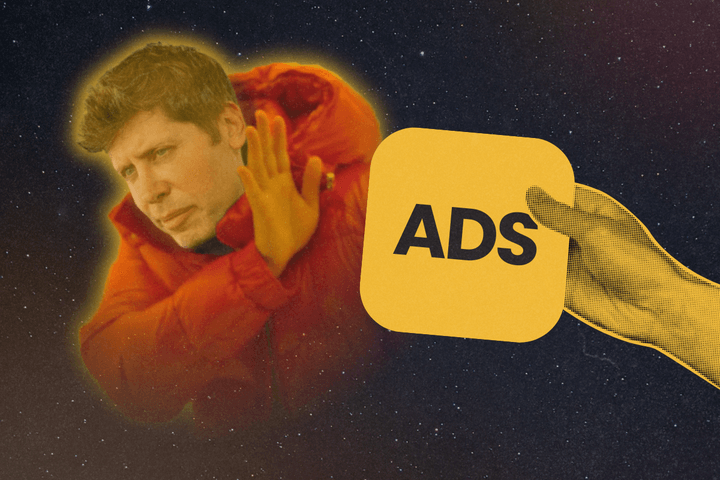
Remember when Sam Altman the CEO of OpenAI called ads in AI “uniquely unsettling”and a “last resort“. About 18 months later, OpenAI is reconsidering, warming up the idea of ads in ChatGPT. Altman still says he dislikes ads and finds them unsettling in an AI context, but he hasn’t ruled them out, stressing they would need to be handled with extreme care.
The decision comes as OpenAI scrambles to unlock new revenue streams from its roughly 800 million monthly users, as it looks to cover the estimated $1.4 trillion it has pledged for AI infrastructure over the next eight years. Altman said in November that the company anticipated reaching about $20 billion in annual revenue by the end of 2025.
The move could be controversial, since users often share personal information with chatbots, and it would increase pressure on OpenAI to avoid promoting harmful products, especially amid lawsuits alleging ChatGPT encouraged suicides.
ChatGPT goes further
OpenAI is taking the next step in expanding access to ChatGPT without sacrificing the user experience. Since August, the $8 per-month ChatGPT Go subscription has rolled out across 171 countries, offering features like conversational messaging, image generation, file uploads, and extended memory. That momentum is now continuing with an upcoming U.S. launch.
Alongside the expansion, OpenAI is beginning to test ads in ChatGPT’s free tier for logged-in U.S. users over 18. The Go plan, positioned between Free and Plus will also include ads while delivering upgraded capabilities such as longer memory and increased image creation. Higher-tier subscriptions, including Plus ($20/month), Pro ($20 month), and Business, will remain ad-free.
To expand access even more, OpenAI plans to thoughtfully introduce advertising within the Free and Go tiers, creating a more flexible way for users to access advanced capabilities with fewer restrictions. Importantly, this approach keeps the experience clean and intentional: premium plans – including Pro, Business, and Enterprise will remain completely ad-free. The result is a more balanced model that expands access and keeps users in control.

Checkout chatting
Last year, OpenAI also rolled out Instant Checkout, enabling users to purchase products from retailers like Walmart and Etsy directly within ChatGPT. The company has also added health and education features as part of a broader push to embed ChatGPT into daily routines and encourage more users to move to paid plans.
OpenAI could tap into a new revenue stream by turning ChatGPT’s insights into personalized recommendations. Imagine asking for travel tips and seeing relevant offers for hotels or local activities, ads that feel less like interruptions and more like helpful suggestions.

Balancing AI, ads and trust
Ads will first appear in the U.S., showing up at the bottom of answers when a product or service fits naturally with the conversation. OpenAI is taking care to skip ads for minors and avoid sensitive areas like health, mental health, or politics. Early ad formats will be clearly marked as sponsored, offering helpful suggestions, think product picks or travel ideas that tie directly to your query.
This approach could also give small businesses and emerging brands a new way to connect with users through AI-driven experiences. OpenAI plans to tweak and improve ads based on feedback, keeping the trust and reliability that make ChatGPT a go-to tool for millions.
Looking ahead, the company envisions a mixed revenue model, combining subscriptions and advertising to expand access to AI. OpenAI emphasized it won’t sell user data or chat history to advertisers, and users can choose not to see ads based on their chats. Ads also won’t appear in sensitive areas like health, mental health, or politics.
Adding ads to chatbot conversations could raise eyebrows, since many chats are personal and sensitive. It also increases pressure on OpenAI to ensure recommendations are safe and responsible, especially given past lawsuits claiming ChatGPT encouraged harmful behavior.
Sounds great and all but here’s the thing…
OpenAI spent roughly $8 billion in 2025 and faces projected losses of $74 billion by 2028. It has 800 million weekly users, but only 5% pay for subscriptions, while committing $1.4 trillion to infrastructure.
Competition is heating up: ChatGPT’s market share fell from 87% to 65% this year, while Google Gemini jumped from 5% to 18%. Google also has cheaper in-house chips and built-in distribution across Android, Gmail, Chrome, and YouTube – advantages OpenAI can’t match. With costs high and pressure mounting, ads are now part of the strategy.
Let’s not forget about hardware. Google has what OpenAI doesn’t: its own chips. Its TPUs, developed over more than a decade, deliver compute at roughly 4-6x lower cost than the Nvidia GPUs OpenAI relies on. OpenAI pays a large “Nvidia tax” on every compute dollar, while Google effectively pays itself when running Gemini.
Google also has a well-established distribution. Gemini is embedded across Android, Gmail, Chrome, and YouTube. You’re almost bound to see it and interact with it. OpenAI, despite its popularity, still has to draw users to a standalone website.

Here are some ground rules
OpenAI has set out some key principles guiding its approach to advertising:
- Mission alignment: advertising helps OpenAI make AI more accessible to everyone.
- Answer independence: ads are distinct from ChatGPT’s answers and clearly labeled.
- Conversation privacy: user interactions remain private and protected.
- Choice and control: users can control data, clear personalized ads, or go ad-free.
- Long-term value: user experience and trust come before making money.
But promises are one thing, making them stick is another. Google made similar assurances about search quality, yet profit motives eventually reshaped the platform. OpenAI doesn’t have decades of profitable products to lean on, so delivering on these principles while generating revenue is a tougher challenge.
The opportunity, though, is huge. ChatGPT sees what people ask about work, health, travel, and relationships – data advertisers dream of. Carefully targeted recommendations could turn the world’s most popular AI chatbot into a powerful revenue engine.
To start, ads will appear in a simple, low-key format beneath answers. Tests will launch soon in the U.S. for adult users, and OpenAI says it will adjust the approach based on feedback. Whether this effort will meaningfully close the company’s financial gap remains to be seen.

What do marketers think of this change?
Marketers are entering a new phase in AI-driven engagement, moving beyond early experiments in generative engine optimization. These pilots taught teams how to structure content, maintain consistent messaging, and understand how AI interprets information. What was once experimental is now foundational for long-term strategy.
The shift is practical: AI assistants are seen as trusted advisors, not search engines. Users assume confident recommendations are impartial, so success now depends on credibility, authority, and consistent messaging across all touchpoints.
Brands that invested in clean data and AI-ready content have a head start. “It’s a mindset issue,” says Chris Pearce of Greenpark Digital. “Brands strong in AI trust and narrative consistency thrive because the AI can rely on them.”
Agencies face new questions: How will AI decide which brands to surface? How should content be structured for clarity and relevance? Influence is now about trust, storytelling, and long-term positioning.
Experts emphasize that AI marketing blends content, influence, commerce, and service delivery. Isabel Perry of Dept notes, “Marketers need to treat AI visibility like brand building and performance marketing rolled into one where every interaction and recommendation matters.”
Lucy Robertson of Buttermilk adds:
“The key question isn’t ‘how do we appear in AI?’ It’s ‘why would AI recommend us at all?’ Holistic thinking about narrative, authority, and cultural presence sets brands apart. Everything else is noise.”
Key takeaways
OpenAI is definitely changing its stance on advertising as financial pressure and competition intensify. The company is now seeing ads as a way to expand access to ChatGPT while keeping premium experiences clean, but this move raises real questions about trust, privacy, and long-term user experience.
Key things to remember:
- ChatGPT is adding ads to Free and $8 Go plans (U.S. adults first); paid tiers stay ad-free.
- Ads appear below answers, are clearly labeled, and avoid health, mental health, politics, and minors.
- The move is driven by huge losses, high compute costs, and rising competition (especially Google Gemini).
- Google holds major advantages: cheaper in-house chips and built-in distribution.
- OpenAI promises no selling chat data and strict separation between answers and ads but trust is the key risk.
- Ads plus instant checkout could turn ChatGPT into a commerce and recommendation engine.
- For marketers, credibility and consistent brand narrative now matter more than traditional SEO tactics.
FAQ
1. Why is OpenAI adding ads to ChatGPT?
To offset high costs, reduce losses, and compete with Google while expanding access.
2. Where will ads appear in ChatGPT?
Below ChatGPT answers, only when relevant and clearly labeled.
3.Who will see ads?
Free users and $8/month ChatGPT Go users (U.S., 18+). Paid tiers stay ad-free.
4. Will ads affect ChatGPT’s answers?
OpenAI says no ads are kept separate from responses.
5. Will OpenAI sell chat data to advertisers?
No. User data and chat history won’t be sold.
6. Are ads shown in sensitive topics?
No ads in health, mental health, politics, or for minors.
7. What kinds of ads will appear?
Helpful product or travel recommendations tied to the conversation.
8. What does this mean for marketers?
Trust, authority, and consistent brand messaging matter more than SEO tricks.