Table of Contents
Coca-Cola football marketing: the tried and tested strategy
The FIFA World Cup happens once every four years, but the marketing buildup starts long before the opening match. For brands, it is one of the rare events that reaches almost every market, every age group, and every type of consumer at the same time. Few tournaments create the same mix of anticipation, loyalty, nostalgia, and emotional investment.
That is exactly why Coca-Cola’s World Cup marketing has been built over decades around becoming part of the experience. Its relationship with FIFA goes back to the 1950 tournament, while its formal partnership began in 1974 and official sponsorship started in 1978. Since then, Coca-Cola has attached itself to almost every part of the tournament, from stadium advertising and TV campaigns to trophy tours, fan zones, collectible packaging, and in-store promotions.
One of the smartest moves in that strategy is its partnership with Panini, the company behind the iconic World Cup sticker albums that first appeared in 1970. For millions of fans, collecting stickers is part of the tournament itself. People buy packs, trade duplicates, chase rare players, and try to finish the album before the final. That ritual has existed for more than 50 years, and Coca-Cola saw the opportunity in becoming part of it instead of trying to create something new from scratch.
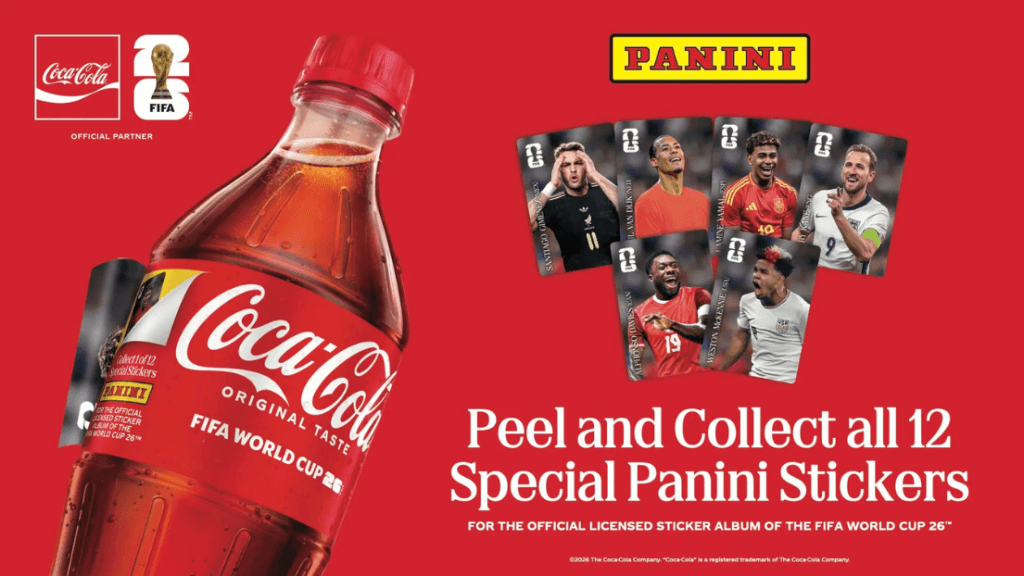
Ahead of the 2026 World Cup, Coca-Cola and Panini took that idea even further by hiding official Panini stickers behind the labels of Coca-Cola bottles sold across the United States and Canada. Fans can peel back the label, collect players, complete a dedicated Coca-Cola page in the official album, and unlock digital sticker packs as well. More than 300 million bottles are expected to be part of the promotion.
Coca Cola’s long history with FIFA
Coca-Cola has been around the World Cup for so long that it is hard to imagine the tournament without it. Long before modern sponsorships became billion-dollar deals, the company was already putting its branding inside stadiums and around football culture.
A few moments shaped that relationship:
- Coca-Cola first appeared through stadium advertising at the 1950 FIFA World Cup in Brazil.
- In 1974, the company entered into a formal partnership with FIFA as the organization started building a more structured global sponsorship model.
- By 1978, Coca-Cola had become an official World Cup sponsor, a role it still holds today.
- The partnership has since expanded far beyond logos on the sidelines. Coca-Cola became part of fan zones, retail promotions, TV commercials, limited-edition packaging, digital campaigns, and matchday experiences.
- Since 2006, Coca-Cola has also run the official FIFA World Cup Trophy Tour, taking the trophy across dozens of countries before each tournament. That gave the company something more valuable than ad space, direct interaction with fans before the competition even begins.
- FIFA and Coca-Cola have extended their agreement through 2030, which makes Coca-Cola one of the longest-running commercial partners in football history.
The reason this partnership has lasted so long is fairly simple. Coca-Cola does not approach the World Cup like a short campaign that appears for a few weeks and disappears after the final. It treats football as a long-term part of its identity, which makes the brand feel like it’s part and parcel of the experience every time the World Cup comes around. That kind of consistency is difficult for competitors to match.
Panini sticker albums and the culture of collecting
For a lot of football fans, the World Cup begins when the Panini album appears in shops, so way before a ball is even kicked.
Since 1970, collecting Panini stickers has become the most recognizable ritual around the tournament. It started as a simple album for the World Cup in Mexico in 1970 and it became a tradition that now stretches across generations. Parents who collected stickers in the 80s often end up buying albums for their children decades later.
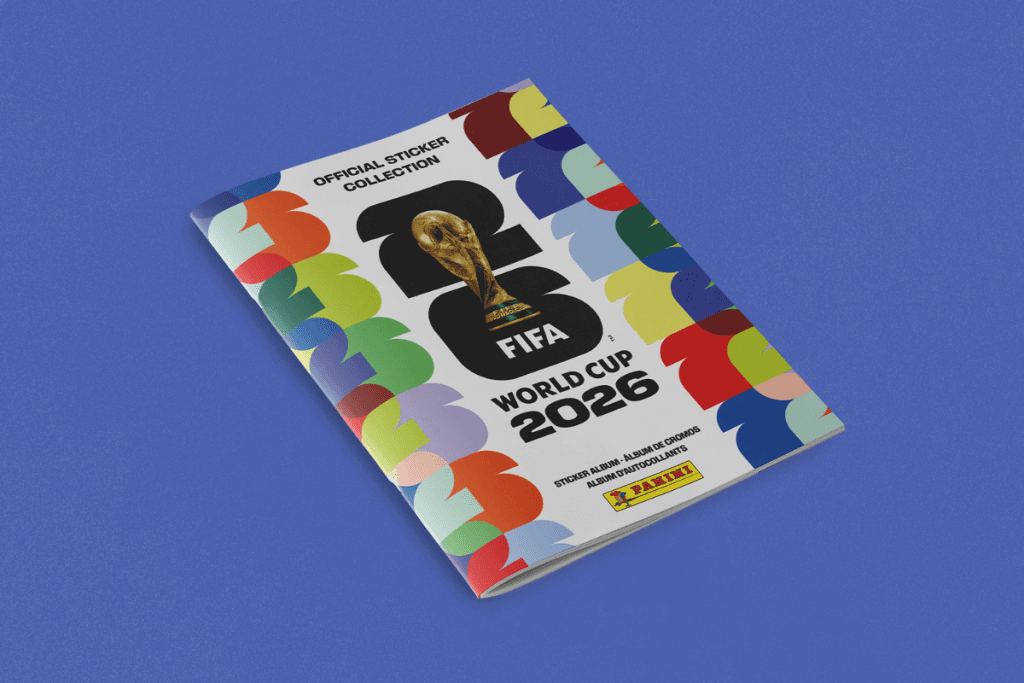
Other than collecting their favorite players, the appeal of sticker collecting is the same as any hobby: it’s a challenge with a clearly defined and attainable goal: complete the album.
A Panini album gives fans:
- A reason to follow every team, even the smaller ones
- A physical reminder of a specific tournament
- The excitement of opening packs and finding rare stickers
- A reason to trade duplicates with friends, classmates, coworkers, or strangers online
- A feeling of progress every time another empty space is filled
That last point matters more than people realize. Sticker collecting is tied with completion psychology. The closer someone gets to finishing the album, the more invested they become in buying more packs and finding the missing players.
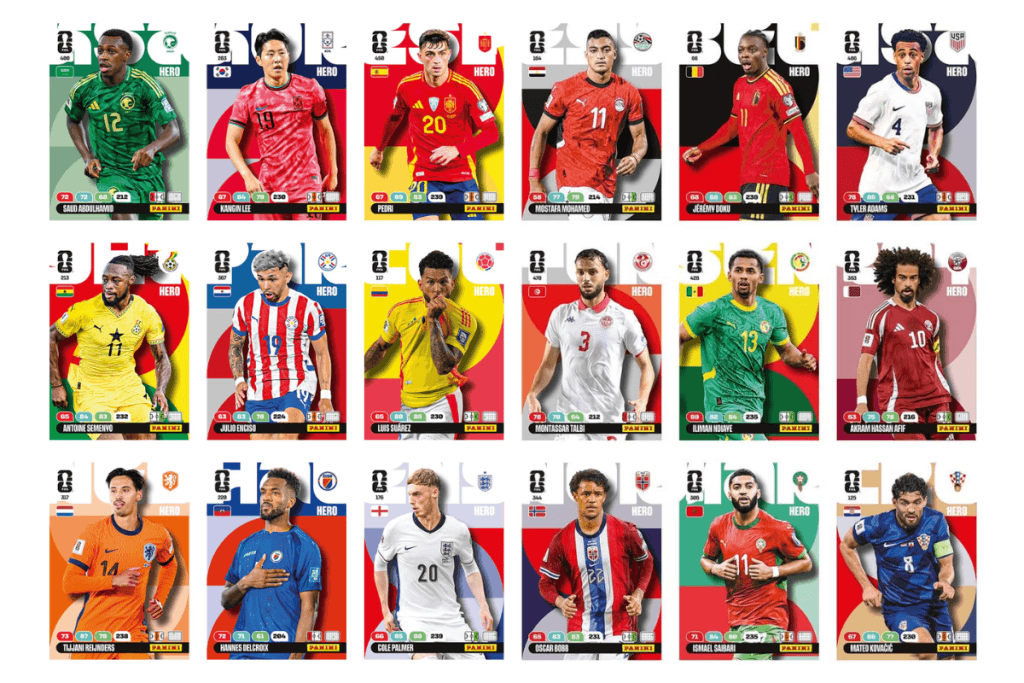
The social side matters too. For decades, trading duplicates has been part of the deal, as finishing the album by just buying more packs is highly unlikely. In the 70s and 80s, it happened in schoolyards and playgrounds. Today, it also happens on social media and collector marketplaces.
Many collectors talk about Panini albums in emotional rather than practical terms. One Reddit user described it as “a small slice of childhood,” while another said collecting the 2022 album reminded them of their father collecting World Cup stickers back in Yugoslavia during the 1970 tournament.
That emotional connection is why Panini became so crucial as Coca Cola’s marketing partner. The albums are not treated like disposable merchandise. They are kept for years, sometimes decades, because they become tied to memories of a certain summer, team, or a stage of life. Older albums have even become collectibles in their own right, with rare 1970 World Cup items sometimes selling for thousands of euros.
Why Coca-Cola partnered with Panini
The Coca-Cola x Panini partnership works because both companies already sell something bigger than the product itself.
Coca-Cola sells moments, routines, and social occasions. Panini sells anticipation, collecting, and the small thrill of opening a pack to see what’s inside. When those two things come together, they push each other’s sales in a natural way.
For Coca-Cola, the biggest advantage is frequency. A football fan might buy one Panini album, but they may buy dozens of Coca-Cola bottles over the course of a tournament. By hiding stickers inside the labels, Coca-Cola turns repeat purchases into part of the game.
For Panini, Coca-Cola solves a different problem, accessibility. Instead of relying only on hobby stores, supermarkets, and online retailers, Panini gets placed alongside one of the most widely distributed consumer products in the world.
A few numbers show why this works so well:
The scale matters because every sticker creates another reason to buy, trade, swap, or talk about the campaign. A fan who buys one bottle is unlikely to stop after getting a duplicate sticker. They will keep buying to find a missing player, while Panini benefits from more album completions and Coca-Cola benefits from more drinks sales.
The digital side makes the relationship even stronger. During the 2018 World Cup, the Coca-Cola-powered Panini digital sticker album reached 2 million users in only 3 weeks. Fans had already opened 193 million digital stickers, completed 32.6 million swaps, and scanned more than 19 million codes. Those are the kinds of numbers most branded apps never reach.

Panini also benefits from the fact that Coca-Cola reaches people who might never buy a sticker pack on their own. Someone picking up a Coke at a supermarket can suddenly become part of the collecting culture without making a separate purchase. That is especially useful in North America, where Panini albums are less established than they are in places like Latin America and Europe. Coca-Cola effectively acts as a distribution channel for Panini, while Panini gives Coca-Cola a reason for fans to keep coming back.
Collectors already understand how expensive and addictive sticker albums can become. Some estimates suggest the 2026 album may contain around 980 stickers, and collectors on Reddit have pointed out that finishing an album through pack purchases alone can cost well over $1,000 without swaps.
That creates a huge incentive for people to collect through Coca-Cola promotions as well, because it feels like they are getting part of the album experience through something they were likely going to buy anyway.
Why nostalgia still sells
What Coca-Cola has done around the World Cup is not complicated on paper, but it is hard to replicate in practice. It keeps returning to the same idea, build presence inside rituals people already care about.
Football fans experience the World Cup in layers. Watching matches and then collecting stickers, buying drinks during games, swapping duplicates, arguing over squads. Coca-Cola and Panini sit right inside those habits without needing to force attention.
The reason it works comes down to familiarity over time.Something that reappears every four years and feels like it belongs there. The bottles, ads, the collectibles, they become part of how people recognize the tournament is back.
There is also a simple commercial logic underneath it. When a product becomes part of a routine, even a seasonal one it becomes something people expect to see.
And that is where Coca-Cola’s World Cup Marketing stays strong. It attaches itself to the parts people already repeat, remember, and pass on.
FAQ
1. Why is Coca-Cola associated with the FIFA World Cup?
Coca-Cola has been involved with the World Cup since 1950 and became an official sponsor in 1978. Over time, it built a consistent presence through advertising, fan experiences, and global campaigns.
2. What is the Coca-Cola and Panini partnership?
Coca-Cola partnered with Panini to integrate official World Cup stickers into its products, turning everyday purchases into part of the sticker collecting experience.
3. Why are Panini stickers so popular during the World Cup?
They create a sense of progress and competition. Fans try to complete the album, trade duplicates, and follow teams more closely through collecting.
4. How does the Coca-Cola sticker campaign work?
Certain Coca-Cola bottles include hidden Panini stickers under the label. Fans can collect them, add them to albums, and sometimes unlock digital content.
5. Why is this partnership effective for both brands?
Coca-Cola increases repeat purchases, while Panini reaches a wider audience through Coca-Cola’s distribution. Both benefit from higher engagement.