Table of Contents
GTA 6 delayed again is the headline everyone is talking about, with Rockstar pushing the release to late 2026. The news is familiar at this point, but a project this big makes every delay worth paying attention to. Players are annoyed, investors are cautious, and the hype cycle refuses to slow down.
In an earlier blog post we broke down how Rockstar approaches GTA 6 marketing, so this new delay raises fresh questions about strategy and the real impact on sales.
What happened to the release date of GTA 6?
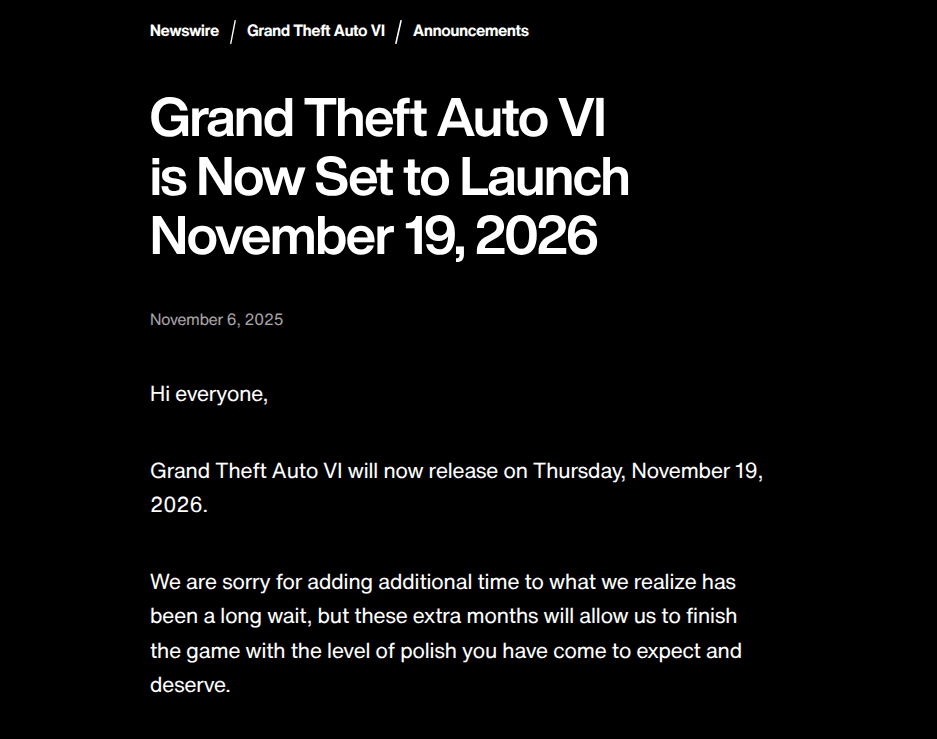
GTA 6 has been delayed again, and its new release date is November 19 2026. Development studio Rockstar Games cited the need for additional polish to meet player expectations. This is another change for a title that’s already been postponed before.
Analysts point to three key factors that contributed to the delay:
- Development scale and ambition. The project is larger than any previous GTA title, meaning more systems, more assets and greater expectations.
- Rising costs and quality demands. Game budgets and player expectations have grown, so releasing prematurely can hurt long-term value.
- Strategic timing. As you’ll see later on, the release date of late November could be a smart move.
On the surface, the delay is designed to protect the brand, make sure the quality is great. But could this delay point to bad management of release dates and fan expectations? Let’s explore that.
How the delay can help Rockstar’s marketing strategy
When GTA 6 is delayed again, that moment could present strategic advantages for Rockstar Games, especially from a marketing perspective:
Longer hype cycle and controlled narrative
By stretching the timeline, Rockstar gains more time to build anticipation. They can drip out story details, character reveals, world previews, behind-the-scenes content and developer commentary without feeling squeezed by a fixed launch window. That gives them better control of the messaging and lets them add the hype momentum in a measured way.
Stronger holiday-season launch window
Analysts have pointed out that delaying to late 2026 means the game will land in the busy holiday period. That timing allows bundling with console promotions, hardware upgrades and higher consumer spend. According to Reuters, this gives Take-Two “potentially bigger launch” opportunities. The holiday window means more visibility, more cohesion with console manufacturers and media partners, and possibly higher marketing investments from those partners.
Better timing with consoles and hardware updates
Reports show that the game’s delay may be in line with consumers upgrading to newer hardware and consoles. For example, analysts report the delay will reduce expected console‐market growth in 2025 by about US$2.7 billion because GTA 6 was expected to drive hardware upgrades.
From a marketing standpoint, this means Rockstar can use the later wave of hardware upgrade buyers with fresh messaging that plays into the “next-gen ready” category of games.
Community and fan reaction: the negative side of the delay
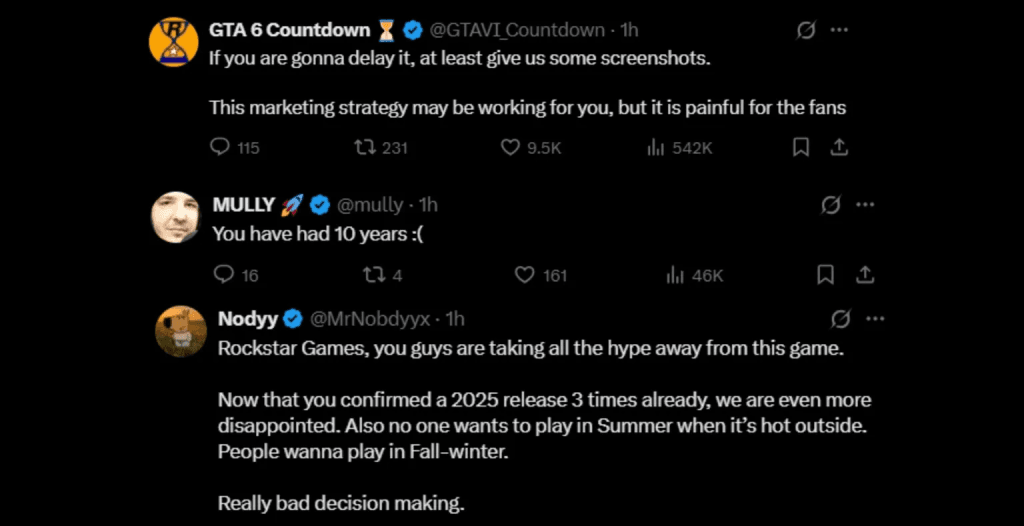
Despite some of the strategic benefits of the delay, the announcement that (GTA 6 has been delayed again has produced a lot of backlash from fans and the gaming community. Here are the key risks to brand reputation and trust:
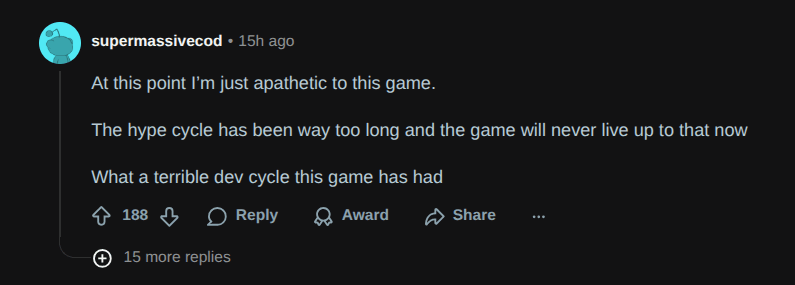
1. Frustration and fatigue
Many fans view this as yet another postponement in a long-running saga. As one Reddit user put it:

2. Perceived mis-management of expectations
Because Rockstar and parent company Take-Two Interactive had earlier indicated a 2025 or mid-2026 window, some fans feel misled.

3. Impact on brand identity and hype momentum
High-profile franchises depend on maintaining narrative momentum. Constant delays can shift the discussion from “excited anticipation” to “why is this not done yet?” This threatens the brand “aura”, the very thing Rockstar have built their brand on.

4. Increased risk of negative pre-release sentiment
Delays often invite speculation about deeper problems, like feature creep, crunch in development, budget overruns. Some stakeholders may interpret the delay as a sign of trouble.
What marketers can learn from the GTA 6 delay
The GTA 6 delay has both opportunities and risks for Rockstar and marketers in general.
The upside: More hype and better timing
- Moving the launch to the holiday season means more visibility, potential console bundles, and higher sales.
- Delaying can signal a focus on quality, which builds trust with players.
- The delay gives Rockstar more time to release trailers, story previews, and gameplay reveals.
The downside: Fatigue and lost momentum
- Fans have been waiting a long time. Repeated delays can make excitement turn into frustration.
- Changing release dates may make some players doubt Rockstar’s planning and competence.
- A long gap between announcements and release can make the hype fade, requiring more marketing effort to keep attention.
- Some analysts estimate the delay will reduce overall industry revenue in 2025 by about US$2.7 billion.
Key takeaway: a strategic delay with clear risks
GTA 6 delay seems partly strategic. Rockstar Games and Take-Two Interactive’s priority seems to be quality, plotting the launch to a bigger holiday window and giving more time to finish the game. Analysts say this could lead to a stronger launch when the game finally comes out.
The delay also comes with costs and risks:
- Short-term financial impact: revenue is shifted to a later period, reducing near-term growth and putting pressure on other releases.
- Fan fatigue and trust issues: fans have been waiting for years. Multiple delays can make them frustrated and unsure if the game will meet expectations.
- More competition: other games may fill the gap, reducing GTA 6’s impact when it finally launches.
- Brand risk: if the game doesn’t meet the hype, the Rockstar’s brand can suffer. The delay raises expectations for what counts as a good release.
Prediction:
Sales should remain very strong over time but will happen later than planned. The marketing team will need to work harder to keep fans excited during the wait. And that’s beginning to be easier said than done. Brand reputation is at risk, as it has been shown by the fan reactions. The move looks deliberate, and not a mistake. Only time will tell if it was the right move.
FAQ
1. Why was GTA 6 delayed again?
Rockstar Games postponed the release to late 2026 to give the team more time to polish the game and ensure it meets player expectations.
2. What is the new release date for GTA 6?
The game is now scheduled to launch on November 19, 2026.
3. How will the delay affect GTA 6 sales?
Short-term sales may shift to later quarters, but analysts still expect strong long-term sales due to the franchise’s popularity.
4. How are fans reacting to the delay?
Reactions are mixed. Some fans understand the need for quality, but many are frustrated and express fatigue over repeated postponements.
5. Could the delay hurt Rockstar’s brand?
There is a risk that repeated delays could erode trust and reduce excitement, but delivering a high-quality game can restore confidence and maintain the franchise’s reputation.
6. Is this delay a strategic decision or mismanagement?
Most evidence suggests the delay is a strategic choice aimed at improving quality and timing, though it carries the risk of fan fatigue and lost momentum.