Introduction
As another year came and went, it’s time we take a look at trends in marketing, what’s happened in 2025 and what to expect in 2026. Marketing trends 2026 show that brands need to focus on real stories, small audiences, and smart use of tools, because that’s what people notice.
In 2025 the marketing industry experts and freelancers alike have all seen the message, and it is that people are tired. After years of rapid AI adoption, people have started pushing back against content that feels automated, repetitive and made for algorithms instead of humans. Feeds are filled up with lookalike posts and recycled insights. Engagement on everything followed a predictable path downward.
At the same time, platforms built around direct relationships and focused audiences, like Substack, gained momentum as readers look for trusted voices in their own niches.
Marketers responded by changing their attention and budgets. Many leaned harder into newsletters and community channels (like MarketerMilk) where attention feels earned, not forced. Influencer marketing moved closer to performance models, and brands began rewarding depth, consistency, and credibility over raw reach. Search also changed fast, with AI-powered answers reducing clicks and forcing content teams to rethink what visibility even means.
Marketing in 2026 will boil down to these broad tendencies:
- Teams that treat AI as a support tool, and not a content factory, will stand out.
- Short-form and niche video content will continue to grow
- Substack is growing in relevance in the writing community and will likely become a dominant platform for creators focused on making money for their writing efforts
- Authentic and human-centered storytelling will be valued a lot more.
Not relying on AI to do all the thinking
AI is everywhere in marketing now, but numbers show how it matters when used the right way. In 2025, nearly 90% of marketers reported using AI tools at least weekly, and many use them daily to support their work. About 60% of marketers were using AI every day, up from 37% the year before. Most common uses included brainstorming ideas, writing drafts, and optimizing copies.
And despite this high adoption, only a minority of teams have clear AI strategies. One report found that 50% of marketing teams still lacked an AI road-map for the next 5 years. That gap matters because AI alone does not deliver results without human strategy.
Teams that use AI for specific tasks, like improving personalization and fine-tuning campaigns, see better results than teams that use AI only to produce content faster. Data shows that personalized emails that were optimized with AI can lead to up to six times more purchases than generic email messages.
These trends point to a clear pattern for 2026: teams that use AI to improve strategic decisions and improve quality will outperform those that rely on AI to generate content at volume. When AI supports human expertise and judgment marketers gain speed and better performance.

Short-form content will continue to dominate
Short-form and niche video content are becoming even more central to marketing. Short videos now make up the majority of videos posted, and this trend is only getting stronger. By 2025, short-form video was expected to account for about 90% of all mobile video views, mostly driven by TikTok, Instagram Reels, and YouTube Shorts. Marketers report that short clips keep people’s attention longer than longer videos or static posts, and many say these formats deliver some of the best engagement and ROI they see.
People also prefer quick, snackable content they can watch on their phones. Short videos under 90 seconds retain about 50% of viewers, far more than longer formats, and users spend close to an hour a day on apps built around these clips.
For 2026, this leads to two clear changes. Short videos will stay important because they grab attention fast. At the same time, niche videos made for specific interests or small communities will grow, since platforms favor content people actually engage with. Together, these formats will guide how brands plan their video content next year.

Why more writers are choosing Substack
Substack has been growing quickly and becoming more relevant in the writing world because it lets writers connect directly with their audience and make money from it. Substack is a platform where creators publish newsletters, podcasts, and other content, and readers subscribe by paying a monthly or yearly fee. The platform launched in 2017 and has steadily expanded since then, moving from a small newsletter service to a central hub for independent creators.
By early 2025, Substack had more than 5 million paid subscriptions and over 50,000 creators earning income from their work. The company’s valuation passed $1.1 billion, showing strong confidence from investors in the creator economy.
Substack’s model is simple. Writers can set subscription prices, usually between $5 and $20 per month, and the platform takes a 10% cut of revenue. Stripe, the payment processor, takes a small additional fee. Everything else, including subscriber lists and content ownership, stays with the writer.
Creators publish free content to attract readers and then offer premium posts, bonus newsletters, or extras like audio and video for paying subscribers. Many writers also use features like private chats, comments, and a discovery feed to build a loyal audience. This setup lets writers earn recurring income based on their content quality and audience loyalty, not just ad views or social signals.
The type of content on Substack varies widely. You’ll find independent journalism, analysis of politics and culture, niche hobbies, business insights, personal essays, and community-focused newsletters. Because Substack doesn’t rely on algorithms to push trending topics, writers can build smaller but deeper communities around specific interests, which is valuable for both creators and readers.
Also, editing and posting things on Substack is a lot like WordPress editor, so it’s a really easy tool to use if you already have a website that you use to publish your content.
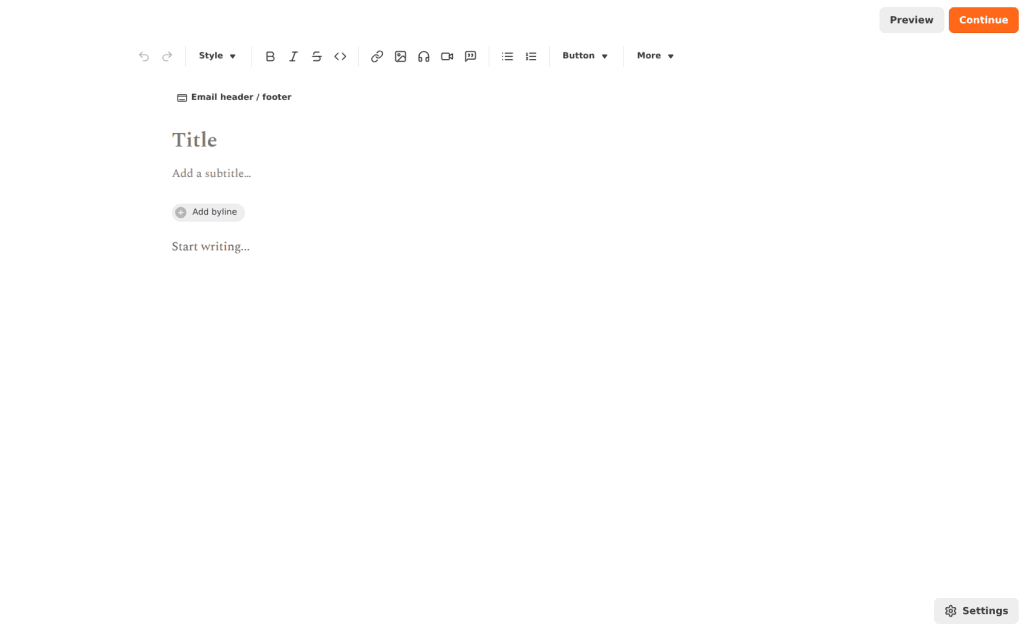
For small businesses and niche creators, Substack offers a chance to grow and not rely on traditional social platforms. You can use it to:
- build an owned audience that belongs to you, not a social network
- turn expertise into income through paid subscriptions
- create consistent value that keeps readers engaged over time
- expand into multimedia with podcasts, videos, and live chats as tools grow on the platform
Because readers pay directly for content they value, Substack rewards quality and trust. That makes it a strong platform for writers and small businesses that want to grow a niche audience and generate real revenue from their writing in 2026.
Human-centered content will be valued more
Audiences have become much more careful about what they trust, and that is pushing brands to tell better stories that feel real and human. In 2025, 90% of consumers said authenticity and transparency were important when choosing which brands to support and 84% said they trust brands more when their marketing feels genuine. People also say that real people and real experiences matter more than polished sales messages.
Research shows that when brands center stories around real people and honest situations, consumers connect more deeply and remember the message longer compared with just facts or claims. Narratives featuring everyday experiences or customer voices help build trust and loyalty rather than just driving a quick click.
Trust matters more now because many consumers can spot overly produced or AI content that doesn’t have the heart and soul of human writers. And skepticism about digital content is growing. In this environment, stories that show real challenges, values, and people make audiences feel understood and seen, not targeted.
Conclusion
Marketing in 2026 will feel slower on purpose. The rush to publish more, automate everything, and be everywhere has reached its limits. What replaces it is a quieter kind of discipline, choosing fewer messages, fewer channels, and clearer points of view. Brands that understand who they are speaking to and where they can add real value will stand out, even if they speak less often. The advantage will come from restraint, and from building trust over time rather than chasing short-term attention.
FAQ
1. What are the most important marketing trends for 2026?
The biggest marketing trends 2026 include smarter use of AI, growth of short and niche video, stronger focus on owned audiences like newsletters, and a return to authentic, human storytelling.
2. Is AI still important for marketing in 2026?
Yes, but teams use it mainly to support research, planning, and optimization rather than to produce large volumes of content.
3. Why are newsletters becoming popular again?
They give creators and brands a direct way to reach people and make money without relying on social platforms.
4. Does short video content still work?
Yes, as long as it’s relevant and made for a specific audience.
5. Where should small businesses start in 2026?
They should pick a clear audience, focus on one main channel, and build trust over time.