Table of Contents
Key Takeaways:
- This year, many Super Bowl commercials combine humor with celebrity appearances.
- Experts say brands are playing it safe given the tense political climate.
- A 30-second commercial during Super Bowl 60 cost around $8 million on average.
Why Super Bowl 2026 commercials are important
The Super Bowl is a unique sporting event in many aspects. It is perhaps the only sports event that has more eyeballs on everything going around it, rather than what’s happening on the field.
And it’s easy to see why: the Super Bowl is attended by not just American Football fans, but also a lot of celebrities, businessmen and politicians. The Super Bowl halftime show is the most anticipated event of the evening, even outside of the United States. Estimates show that upwards of 120 million people watched the Super Bowl this year.
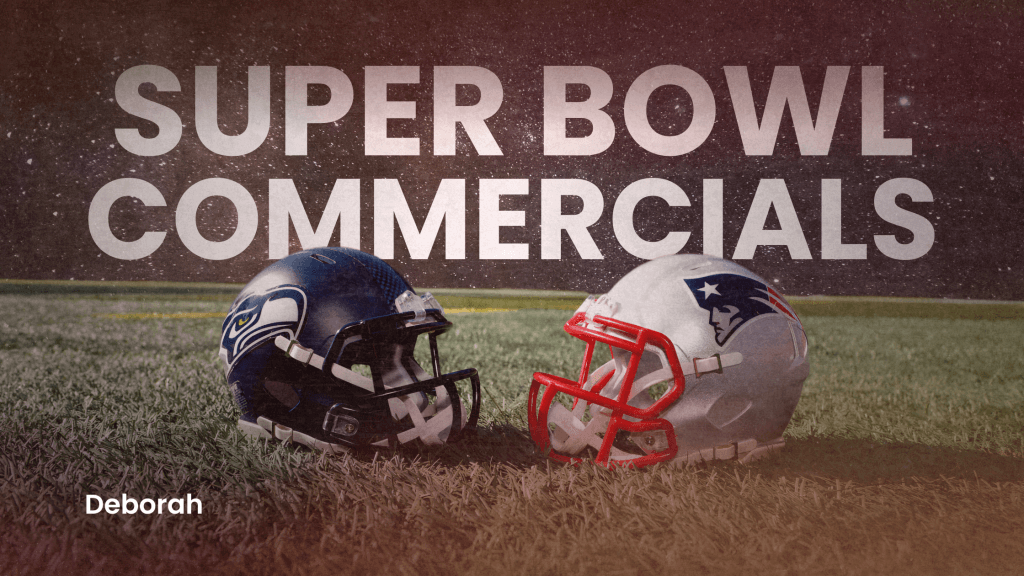
Apart from the halftime show and the on-field part of the event (which ended in a victory for the Seattle Seahawks over the New England Patriots if anyone was wondering) one other thing that is anticipated are the Super Bowl commercials. With so many people glued to their screens, it’s no wonder that the Super Bowl is the perfect spot to place your brand. Which is why companies pour a lot of money into these commercials.
A 30-second commercial during Super Bowl 60 costs around $8 million, but some companies have paid over $10 million for their spot.
The total cost tends to vary depending on when the commercial time was purchased.

Cost of Super Bowl commercials throughout the years
Here’s what 30-second Super Bowl ads have cost through the years:
- Super Bowl 1, 1967 – $37,500
- Super Bowl 10, 1976 – $110,000
- Super Bowl 20, 1986 – $550,000
- Super Bowl 30, 1996 – $1.085 million
- Super Bowl 40, 2006 – $2.5 million
- Super Bowl 50, 2016 – $4.5 million
- Super Bowl 60, 2026 – $8 million, with some brands paying around $10 million
The cost of Super Bowl commercials has been doubling every ten years, but is the cost justified? What is the Return on investment (ROI) for the companies who are willing to pay so much for 30 seconds of ad space?
Super Bowl commercials are worth the money
Despite the exuberant cost of being shown at the Super Bowl, in 2024, Kantar found that Super Bowl ads delivered an average return on investment of $8.60 for every $1 spent, making them 20 times more effective than regular TV ads.
What were the Super Bowl 2026 commercials like
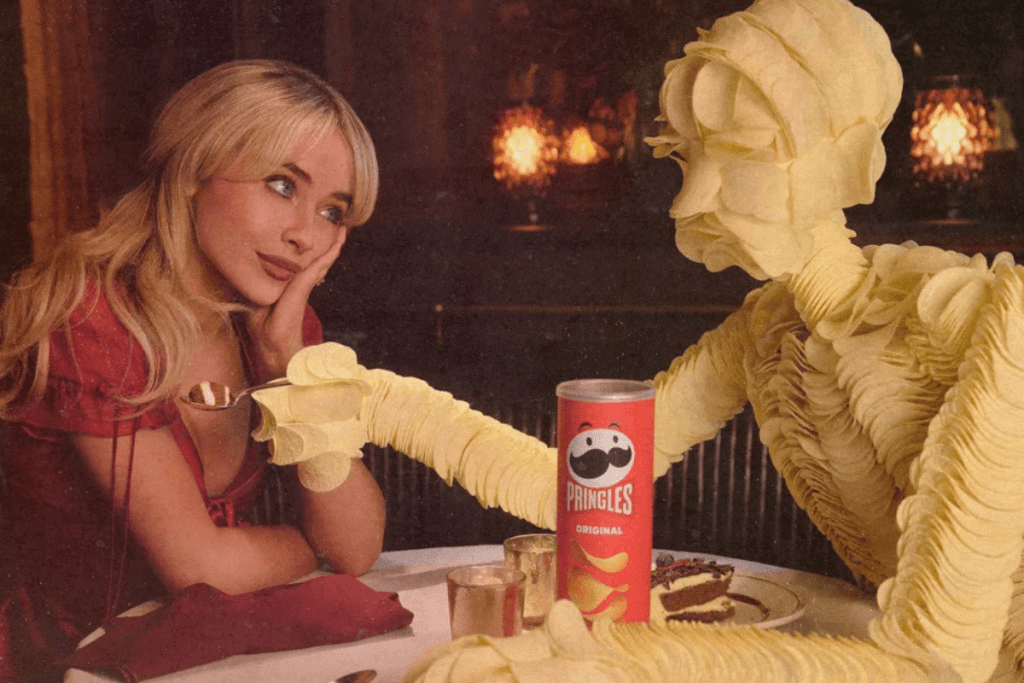
With how charged the political and social climate is in the United States, it’s not surprising that brands haven’t made too many “risky” commercials, and have mostly gone with a comedic approach. Some have even dubbed it “the safer bowl” with how safe and polished the commercials were.
According to testing by TV measurement platform iSpot, 63% of the Super Bowl 60 trailers and teasers shown to its consumer panel, have prompted “funny” reactions.
The highest score in that category currently belongs to Bud Light’s “Keg” spot, featuring Shane Gillis, Post Malone, and Peyton Manning tumbling down a hill while chasing a runaway beer keg.
That cautious, humor-first approach shows up clearly in ads such as:
- Hellmann’s, features Andy Samberg as “Meal Diamond,” performing a parody of “Sweet Caroline” in a deli for unsuspecting customers, including Elle Fanning.
- Fanatics Sportsbook casts a self-aware Kendall Jenner to poke fun at the so called “Kardashian Curse,” the long running gag that athletes perform worse after dating someone from that family.
- Instacart takes a more theatrical route with a retro styled spot starring Ben Stiller and singer Benson Boone, who launch into an increasingly chaotic musical number about the quest to pick the perfect banana.
- Novartis goes even further into self parody, positioning itself as the punchline as NFL players tell viewers to “relax your tight end” and get a blood test for prostate cancer.
- Comcast’s Xfinity brings back members of the original Jurassic Park cast to suggest that many of the park’s disasters could have been avoided with better WiFi.
- Anthropic, meanwhile, uses its Super Bowl slot to take a clear swipe at OpenAI over the decision to introduce ads into ChatGPT.
Some commercials were more daring
Not every brand, however, is following the comedy and celebrity driven formula.
Rocket and Redfin take a more emotional approach with an ad built around a Lady Gaga cover of Mr. Rogers’ “Won’t You Be My Neighbor?” The spot taps into a period of heightened division across many US communities, focusing on small acts of kindness and the value of human connection.
Hims & Hers also moves away from safe humor, but in a more confrontational way. Its “Rich People Live Longer” ad calls out inequality in the US healthcare system, using characters that resemble Jeff Bezos and biohacker Bryan Johnson to make its point.
“When you are challenging a system that has been broken for generations, the work cannot feel familiar or safe,” said Dan Kenger, chief design officer at Hims & Hers. “The creative has to feel disruptive because that’s what is needed to change the status quo of healthcare.”
That kind of risk taking is something Anselmo Ramos, creative chairman at advertising agency GUT, says he misses. He points to earlier Super Bowl ads that succeeded without celebrity shortcuts, such as Apple’s “1984,” Budweiser’s frogs, the Geico caveman, and the E-Trade baby. Ramos says he’s hoping to see more bold, anthemic spots stand out amid a field dominated by comedy.
What do this year’s Super Bowl commercials say about the state of marketing
Super Bowl commercials tend to reveal how brands behave when there is no room for error. With more than 120 million people watching and millions of dollars on the line, this is one of the few moments where marketing decisions are made under extreme scrutiny. Every choice, tone, casting, message, is deliberate, because the cost of getting it wrong is very real.
That pressure shows in the kind of work brands are willing to put out. Most Super Bowl ads prioritize broad appeal over originality, familiarity over experimentation. Humor is the safest emotional lever, and celebrities act as a form of insurance. Even if the idea itself isn’t especially bold, a recognizable face or a clean joke reduces the risk of being misunderstood or ignored.
This points to a wider shift in marketing. Audiences today are more fragmented, more vocal, and quicker to react negatively. As a result, brands have become more cautious in how they present themselves, especially on stages as large as the Super Bowl. The goal is less about making a strong statement and more about avoiding backlash while remaining likable.
FAQ
1. Why are Super Bowl ads so expensive?
The audience is massive (over 120 million viewers) so brands are paying for reach, attention, and cultural impact.
2. Do all brands try to be funny or use celebrities?
Most do, because humor and familiar faces appeal to a broad audience and reduce risk, but a few take more emotional or issue-focused approaches.
3. Are Super Bowl ads worth the money?
Studies show they can deliver a high return on investment, sometimes up to $8.60 for every $1 spent, making them far more effective than regular TV ads.
4. What can smaller brands learn from these ads?
Focus on clarity, relevance, and emotional impact; big budgets aren’t necessary to apply the same principles on a smaller scale.
5. How do Super Bowl ads reflect current culture?
They show what brands think will resonate with audiences, from humor and celebrity appeal to social issues and emotional storytelling.
6. How do advertisers measure success for a Super Bowl spot?
Success is tracked through metrics like audience reaction, social media engagement, brand recall, and sometimes direct sales or ROI.