Table of Contents
Introduction
For many years now, brands have complained about social media algorithms. Sometimes your desired reach drops, engagement slows down, and a post that once could reach thousands of followers suddenly reaches a few hundred. The algorithm has become a very easy to pick on villain (and, to be fair, sometimes with good reason).
Recently though, Australia introduced an interesting proposal. Under its planned “My Feed, My Way” legislation, social media users would be able to choose between algorithmically recommended content and a chronological feed made up of accounts they already follow (kind of like what the feeds were 15 years ago). It’s still only a proposal, and it would initially apply in Australia, but it creates a useful thought experiment for marketers: what happens when users can turn off the part of social media we spend so much time trying to please?

Instagram CEO Adam Mosseri thinks the result could be surprisingly bad for users. He argued that chronological feeds would become crowded with brand content, mostly because businesses post much more frequently than friends and family do. Meta obviously has its own reasons for defending recommendation systems, so we should take that warning with a pinch of salt. Still, it reveals something marketers will rarely consider.
The algorithm controls which brand posts people see, but it also filters out most of what brands publish. At the same time, it gives businesses access to people who never followed them. Remove that recommendation part and every post becomes more visible to the people who did follow them.
That could make posting 5 times a day a very efficient way to get unfollowed.
So maybe the real question is no longer if your brand can beat the algorithm, but if people would still choose your content if the algorithm stopped choosing it for them.
What brands get from the algorithm
When your post performs badly, blaming the algorithm feels like the logical thing to do. The content was good and the timing looked right and followers usually engage with similar posts. What else could it be?
Over time, “the algorithm” has become shorthand term for everything frustrating about social media. In reality, Instagram uses several ranking systems, each deciding what appears in places such as Feed, Stories, Reels and Explore. They are constantly sorting through more content than any person can see.
Let’s say you follow 600 accounts. Even if each one published only once that day, you would still have 600 posts waiting for you. Some are from friends, some from creators and quite a few are from businesses that post much more often than everyone else. A chronological feed would give every post its place in line, although most people would leave the app long before reaching the bottom.

Ranking systems try to predict which of those posts matter most to you. That means hiding a lot of content, including posts from brands you willingly followed. It can be annoying, especially when a business spends time creating something that barely reaches its own audience. But that same system gives the business something it could never get from a simple chronological feed, and that’s access to people who have never heard of it.
A restaurant’s Reel can appear in front of someone who does not follow the restaurant, has never visited its profile and maybe doesn’t even know it exists. The platform notices that the person watches similar food videos, lives nearby or regularly engages with local content.
Brands tend to notice the posts the algorithm suppresses. The reach it creates outside their existing audience is easier to take for granted, partly because we have become so used to it. Turning off algorithmic recommendations removes some uncertainty, but it also makes brands a lot more dependent on the followers they already have. New customers would be harder to reach, while existing followers would see the full effect of every ambitious posting schedule.
At that point, publishing more simply gives people more opportunities to decide they have heard enough.
What a chronological feed rewards
A chronological feed sounds fairly neutral. Posts appear in the order they were published, everyone understands the rule and there is no mysterious system deciding that one account deserves more attention than another. But there is still a ranking system, and that is that the newest post wins.
That gives an immediate advantage to accounts that publish often and know exactly when their audience is online. Brands have content calendars, scheduling tools and, in some cases, entire teams producing posts and your friends probably don’t. And neither do many smaller creators who publish only when they genuinely have something to share.
Anyone who remembers the early days of Instagram has probably seen where this leads. You open the app and the first six posts come from the same unusually active account. That may be fine when someone is sharing holiday photos. It becomes a little harder to tolerate when a business is showing you the same offer for the 4th time that week.
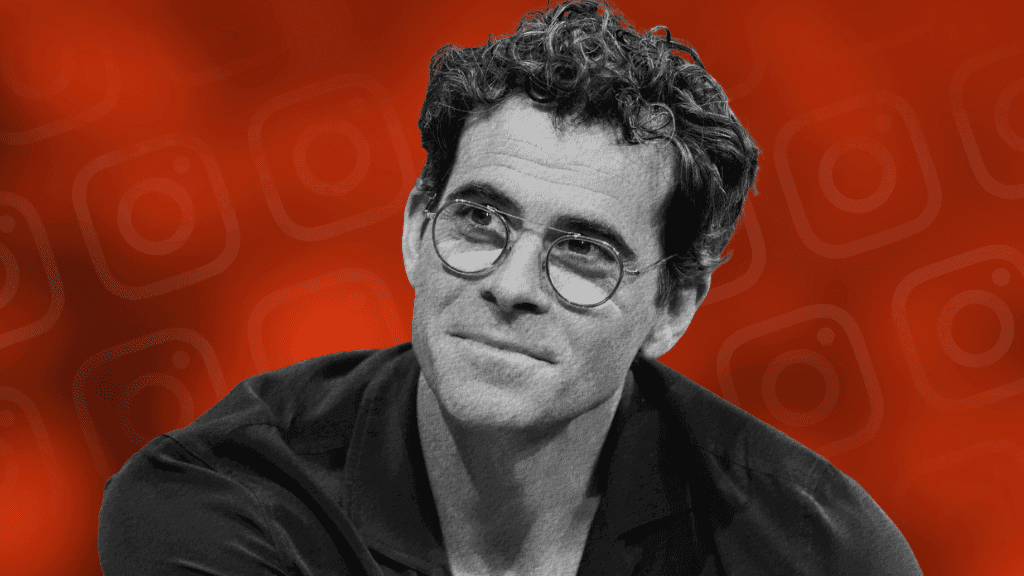
Instagram CEO Adam Mosseri believes this would encourage brands to publish even more. His reasoning is simple: if posting again puts you back at the top of the feed, frequency becomes one of the easiest ways to gain visibility. Once some businesses start doing it, their competitors feel pressure to keep up. Before long, a content schedule begins to resemble an arms race.
The strategy may work for a while. A brand that posts five times has five opportunities to appear above a brand that posts once. It also has five opportunities to interrupt the same follower.
That second part matters because followers have their own way of ranking content. They mute, ignore and unfollow accounts that take up too much space. A chronological feed may give a business more appearances, while making the consequences of weak or repetitive content much harder to hide.
This is where the familiar advice to “post consistently” becomes less useful. Consistency could mean one thoughtful post each week or several rushed posts every day. The calendar alone tells us very little about whether people actually want to see them.
We have already written about why producing more content is no longer enough. A chronological feed would make that point even harder to ignore. The interface may reward quantity in the short term. The audience still decides how much is too much.
Would people deliberately follow your content?
Recommendation feeds allow people to see a brand without making any commitment to it. They watch a Reel, save a useful tip and continue scrolling without visiting the profile. Sometimes they won’t even notice which account published it.
Following an account is a different decision. It means giving that account permission to appear again tomorrow, next week etc. And, unless the unfollow button eventually gets involved, for much longer than that.
This is where a lot of brands run into a problem. They know how to create an individual post that gains attention, but the account as a whole gives people very little reason to follow. One Reel explains a common mistake, another uses a trending sound. Every post can perform reasonably well on its own, but together, they make a forgettable account.
We discussed a similar problem in our article about the three-second hook and the recognition gap. Someone can remember the advice from a Reel while completely forgetting who gave it to them. Algorithmic recommendations can soften that problem because the platform may show them another post from the same account later. Over time, repeated exposure can create familiarity, even if the person never chose to follow.
A following-only feed would leave less room for that passive relationship. Brands would have to give people a clearer idea of what they can expect by following. A restaurant might share its changing menu and the people behind it. A marketing agency might become known for explaining platform changes without turning every minor update into a crisis. The subject can vary, but the account needs some kind of recognisable promise.
That doesn’t require every post to look identical or fit into a rigid content pillar. Real people rarely speak about one subject in exactly the same format forever, and brands do not need to either. There simply needs to be enough continuity for someone to understand why the account deserves a permanent place in their feed.
A useful test is to look at the last nine posts without focusing on their individual metrics. What would a new visitor expect to receive after pressing follow? If the answer is unclear, a larger reach number will not fix it.
A view tells us that someone found one post interesting. A follow suggests they expect the next one to be worth seeing too. In a feed controlled more deliberately by users, that expectation would become far more valuable.
Conclusion: Would your brand still be chosen?
Australia’s proposal may stay in Australia, and a lot of of people would probably keep their recommended feeds anyway. Most users don’t spend much time wondering how Instagram ranks their posts. Still, it is a useful question for brands.
Without recommendations, reaching new people becomes harder. Existing followers also see more of everything you publish, including the repetitive posts that an algorithm normally hides. Posting more could bring extra visibility, but it could just as easily earn a mute or an unfollow. Users already have their own simple ranking system. They watch, scroll past, mute or leave.
So, could your brand survive without social media algorithms? Probably. The better question is if anyone would notice the content disappear.
FAQ
1. What do social media algorithms do?
Social media algorithms decide which posts appear in a user’s feed and in what order. They also recommend content from accounts the user doesn’t follow.
2. What is a chronological social media feed?
A chronological feed displays posts from followed accounts according to when they were published, with the newest posts appearing first.
3. Would a chronological feed be better for brands?
It could give brands more direct access to existing followers. However, reaching new people would become harder without algorithmic recommendations.
4. Would brands need to post more often?
Posting frequently could keep a brand near the top of a chronological feed. It could also overwhelm followers and lead to more mutes or unfollows.
5. How can a brand become worth following?
Give people a reason to return. Useful information, a recognisable voice and content made for a specific audience are more valuable than simply posting as often as possible.